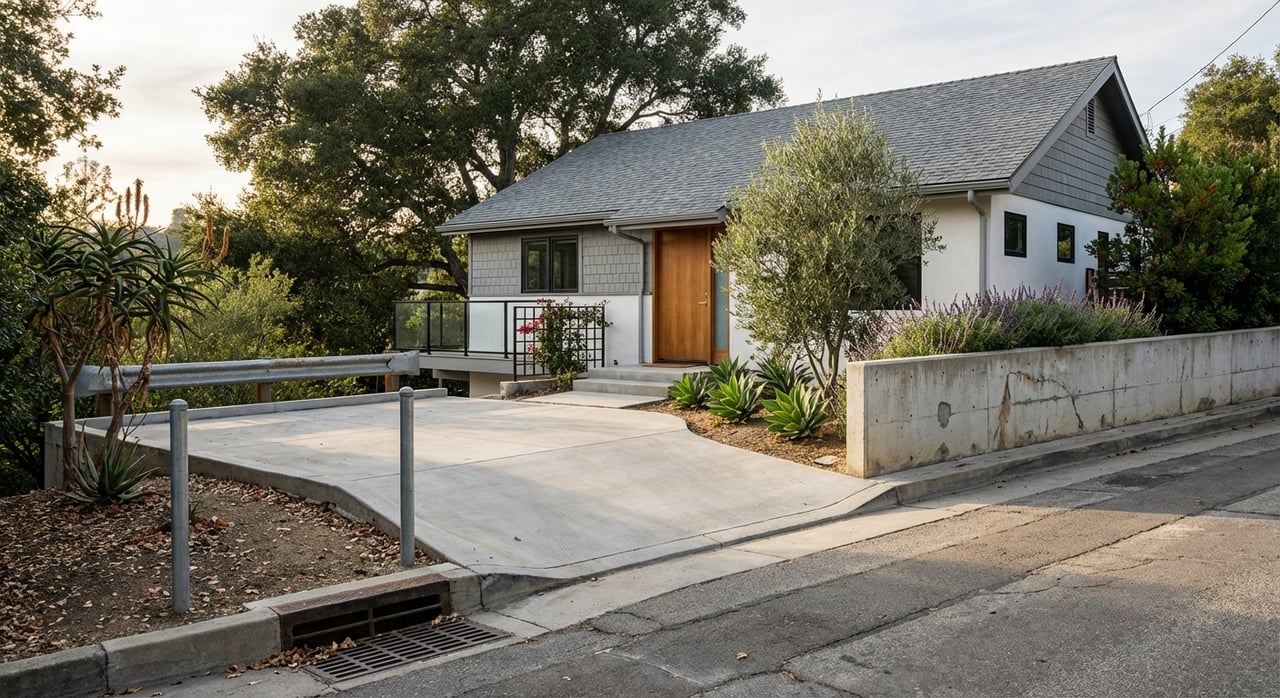
You come to the Hollywood Hills for the view, the privacy, and that cinematic feeling when the city lights flip on. What you don’t want is surprise permitting issues, steep-slope headaches, or insurance drama after you close. If you’re eyeing a home above the flats, this guide helps you keep the romance and skip the regrets. You’ll learn the key tradeoffs, which micro-areas fit your vibe, what price bands actually buy, and the due diligence that protects you in escrow. Let’s dive in.
What you get and what you give
Buying in the Hills is a beautiful trade: you gain skyline and canyon vistas, quiet pockets, and prestige. You also accept steeper lots, narrower streets, and more complex engineering behind the scenes.
- Views and privacy often drive value. Many parcels sit on slopes with retaining walls, piers, and buried utilities that cost more to maintain than flat-lot systems. The typical Hollywood Hills home value sits around the high millions, and values vary by pocket. You can track the broad market on the Zillow Hollywood Hills index.
- Wildfire and slope risk are real considerations. Portions of the Hills map into higher wildfire-hazard layers, which can affect insurance options and add disclosures. Review the state’s updated mapping via CAL FIRE’s hazard severity zones and confirm local conditions through LAFD’s Fire Zone guidance.
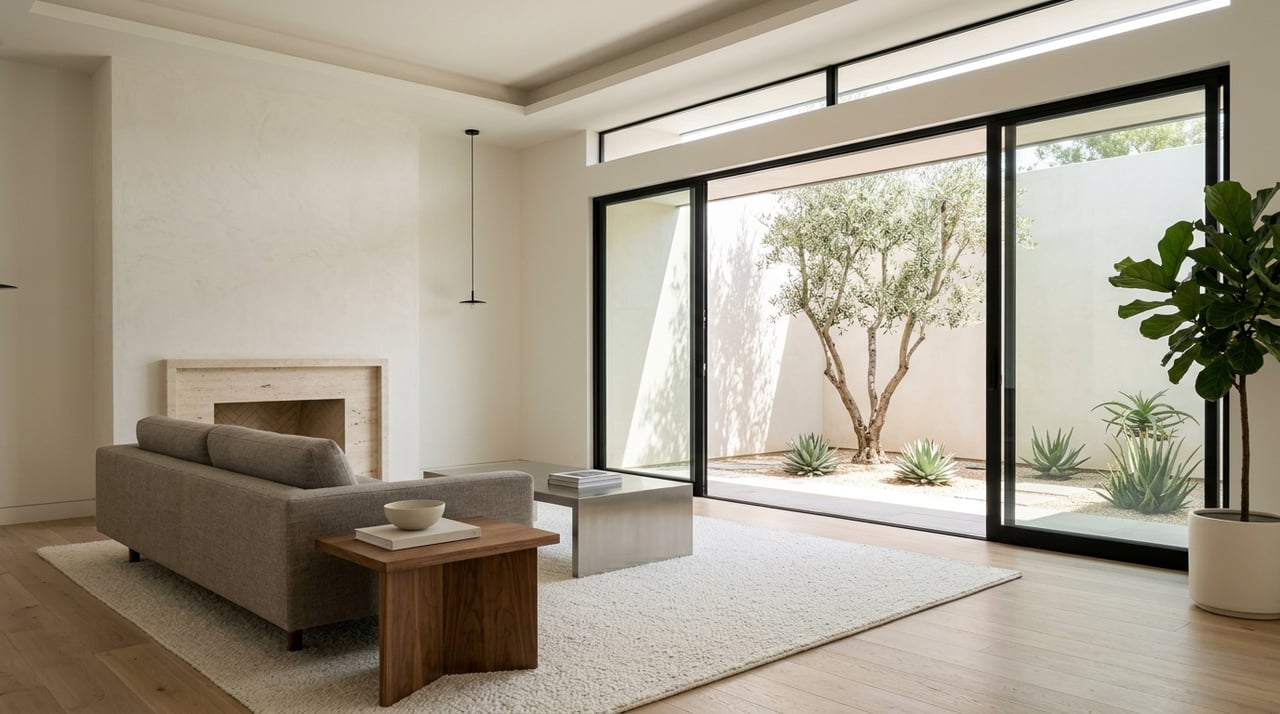
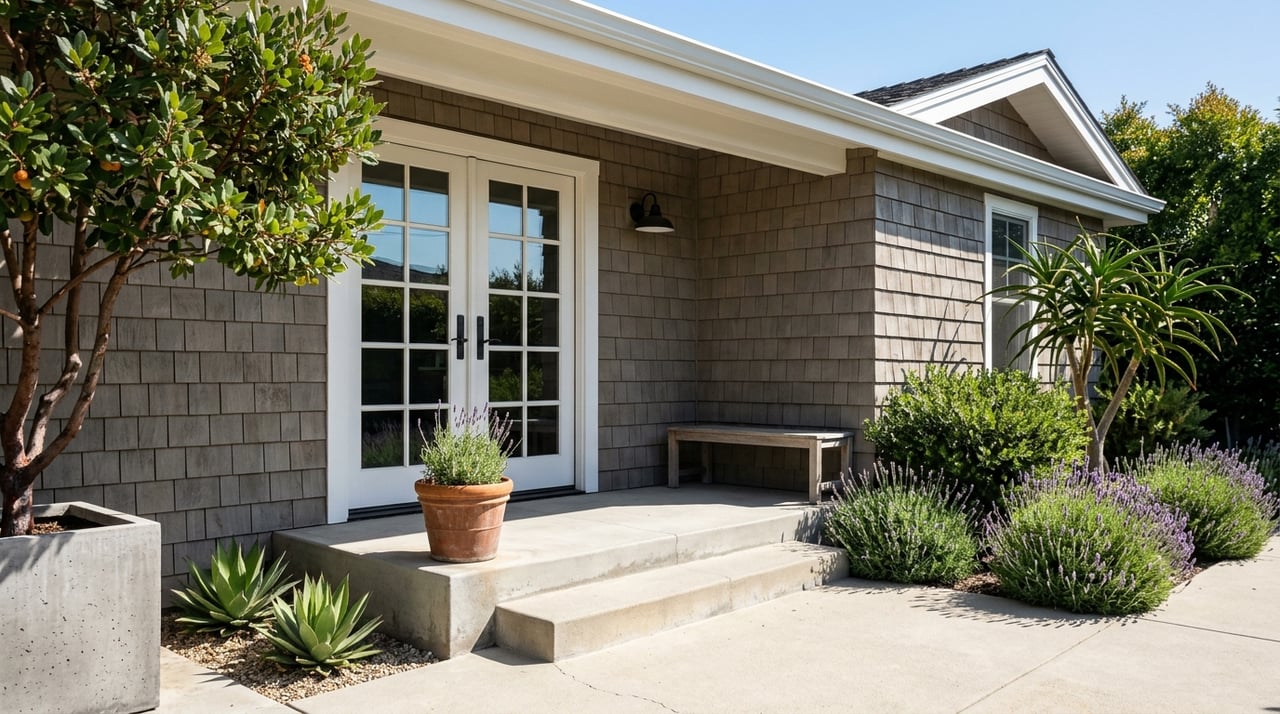
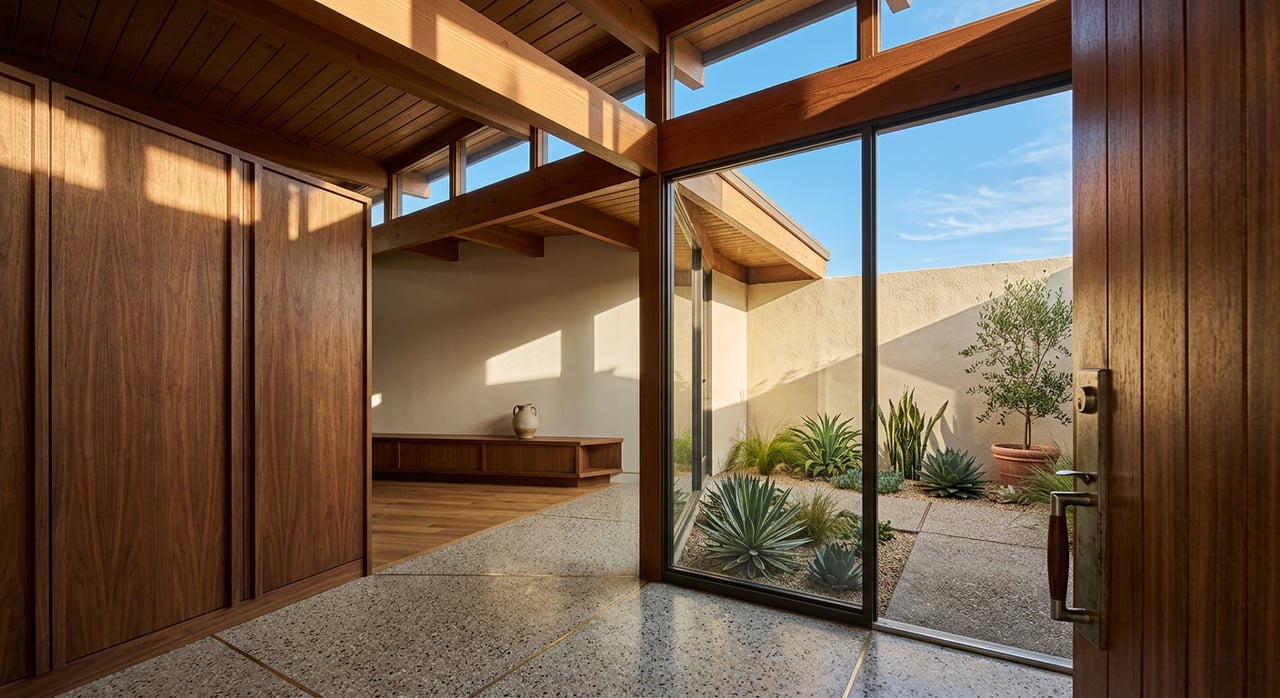
- Character vs. convenience. Older Spanish and midcentury homes may carry unpermitted alterations or deferred structural work. Newer view homes lean into glass, decks, and engineered foundations. Always verify permit history through the LADBS plan-check and permit portal.
Where to look: micro-areas that matter
Neighborhood names blur at the edges, so confirm any parcel in ZIMAS before you generalize an area. Use this quick primer to focus your tours.
Hollywood Hills West
If you want privacy and sweeping skyline views near Mulholland and Laurel Canyon, Hollywood Hills West delivers. It includes many gated streets and trophy remodels. The market sits in a higher price tier, with a snapshot median of about $2.49M as of Redfin, Dec 2025. Check the live trend on the Hollywood Hills West market page.
Beachwood Canyon and Hollywoodland
Around the Hollywood Sign, lots can be dramatic and streets tighter. Expect small plateaus and historic homes with strong upper-canyon view premiums. The area’s development story is iconic, and even compact sites can feel special due to siting and angles. For a flavor of the terrain and architecture, see this local look at a pool with a view in Beachwood Canyon.
Outpost Estates, Nichols Canyon, Mount Olympus
These enclaves often feature gated or semi-gated streets, engineered hillside parcels, and a long track record of celebrity ownership. You’ll see classic homes updated for modern living and new-build view houses that push into the high end.
Laurel Canyon
Laurel offers a mix of modest cottages and modernized homes threaded through wooded canyons. Price dispersion is common based on access, slope, and condition, so expect a wide range of trades. Browsing recent sales in Laurel Canyon can help you calibrate.
Price bands: what your money buys
Market medians shift month to month and different services draw different boundaries. Use these ranges as working brackets, then confirm with live comps.
- Entry to entry-upper, roughly $600k to $1.5M: Often smaller condos, hillside cottages, or fixers. You trade some driveway length, stairs, and yard usability for access to the Hills lifestyle.
- Mid-market single-family, roughly $1.5M to $4M: Many buyers in this band accept slope tradeoffs like terraced yards and tighter roadways. Check the broad backdrop using the Zillow Hollywood Hills index, which showed a typical value near $1.9M through late Jan 2026.
- High-end view and trophy, $4M to $20M+: Expect custom engineering, glass box vistas, or larger lots near ridgelines. In comparison, nearby Westside hills like Brentwood can trend even higher, with a snapshot median around $2.65M as of Jan 2026. See the Brentwood market page for current context.
For Hollywood Hills West specifically, Redfin posted a median around $2.49M in Dec 2025. Use that page’s live data to refresh your read on the West’s premium tier.
A Hillside buyer’s due diligence checklist
In the Hills, the quality of your escrow work often determines how happy you feel long after closing. Line up these checks before you waive contingencies.
Mandatory early checks
- ZIMAS parcel overlays: Confirm hillside designation, wildfire overlays, height limits, and any special plans. This is your first stop for parcel basics. If you have not used it before, this ZIMAS how-to guide explains what to look for.
- LADBS permit history: Pull case numbers and final sign-offs for additions, pools, retaining walls, and grading. Unpermitted work can delay escrow or require costly retrofits. Start in the LADBS plan-check and permit portal.
- Wildfire status and disclosures: If a parcel falls inside a Very High Fire Hazard Severity Zone, specific seller disclosures and defensible space rules apply. Check LAFD’s Fire Zone page early and bookmark the state’s FHSZ mapping updates.
Specialists to schedule during contingencies
- Geotechnical or soils engineer: Essential for steep lots, big retaining walls, or evidence of slope movement. Reports can take weeks, and many grading permits require soils and geology at plan check. Coordinate timing with your general inspector and the LADBS inspection process.
- Structural or civil engineer: Evaluate foundations, caissons, cantilevered decks, and hillside water features. An engineer can translate flagged issues into real cost estimates for negotiation.
- Retaining-wall specialist: Walls are frequent failure points. Verify weep holes, drainage, and age. If anything looks patched or bowed, request an engineer’s letter.
- Drainage and surface runoff audit: Ensure gutters, downspouts, interceptor terraces, and French drains work. Hillside stability starts with water control, and the city details erosion control standards in its plan-check guidance.
- Wildfire hardening and clearance: Ask for current defensible-space documentation and brush clearance. This can help with insurance and is often required inside VHFHSZs.
- Standard inspections: General home inspection, plus sewer camera, roof, and pest. A generalist is not a geotech, so add specialists if any slope concerns appear.
Title, access, and legal checks
- Street status: Confirm whether your access road is public or private. Many Hills homes rely on private streets with shared maintenance and assessments. Request recorded easements, CC&Rs, budgets, and recent invoices. This overview of private roads and driveways in the Hollywood Hills highlights what to ask for.
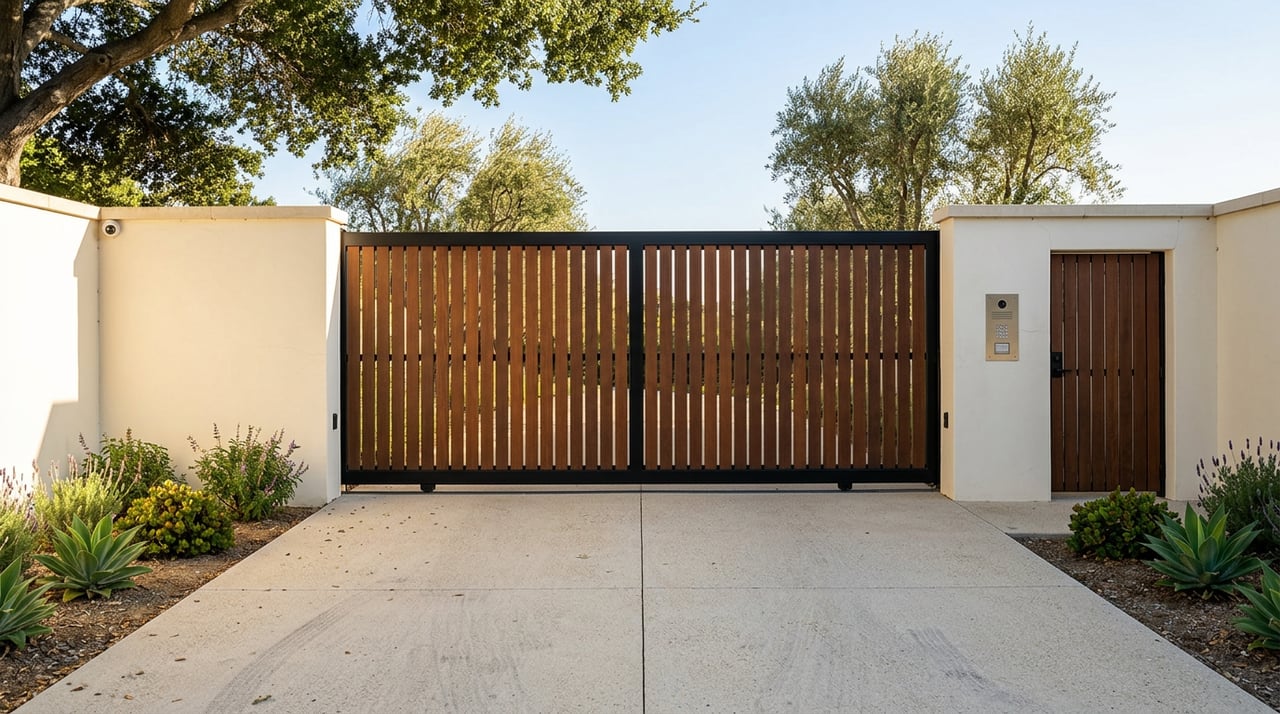
- Fire access and turnarounds: Long dead-end roads and narrow lanes can trigger specific fire code conditions on approvals. Confirm clear widths, gates, and turnarounds meet code to avoid future permit roadblocks.
Hazards to map early
- Wildfire overlays: Confirm whether the parcel sits in a mapped severity zone via CAL FIRE’s FHSZ viewer and cross-check local conditions on LAFD’s site.
- Seismic context: Portions of the greater Hollywood Hills area lie near mapped faults, including the Hollywood Fault studied by USGS and CGS. For new construction or major work near mapped traces, consult a licensed geologist and review the USGS fault-imaging study.
- Hillside ordinance and grading: The City of Los Angeles enforces grading limits, extra plan-check, and monitoring for significant slope work. If you plan renovations, budget for timelines and third-party inspections. A summary of the Baseline Hillside Ordinance is available here.
Insurance, lending, and appraisal realities
Insurance in fire-prone zones has tightened across California. Availability and cost vary by carrier, ZIP, and your mitigation measures. Build an insurance contingency into your offer and obtain pre-quotes early in escrow. For context on recent policy shifts, see the California Department of Insurance’s 2024 update on FAIR Plan and market tools.
Lenders sometimes request geotechnical or structural reports for steep lots, and appraisers will weigh usable square footage, access, and any unpermitted work. That is another reason to pull LADBS permit history early and keep your engineering contingency intact.
Smart negotiation moves for Hills buyers
Protect your upside by structuring contingencies that match hillside realities.
- Engineering and geotech contingency: Allow 2 to 4 weeks for reports. Make clear that remediation cost estimates are acceptable grounds for renegotiation or cancellation. Align with the LADBS inspection framework so your findings map to city expectations.
- Permit-history delivery: Require the seller to provide permit records and any soils or engineering reports for past hillside work, plus final sign-offs when applicable. If records are missing, budget for a new soils report and use that in your price discussion.
- Private-road documentation: Request recorded maintenance agreements, reserve balances, and any current or pending assessments. If emergency access appears constrained, reserve the right to terminate.
- Insurance acceptance, not just a quote: Tie your contingency to obtaining a binder or written carrier acceptance. In high-hazard zones, last-minute denials can happen. The state’s insurance guidance explains why early diligence matters.
Design and lifestyle choices that age well
To buy without regrets, match the home’s architecture and access to how you actually live day to day.
- Character vs. performance: If you love original Spanish tile or midcentury lines, focus on properties with documented structural upgrades. Pair charm with modern systems and drainage.
- View preservation: California does not grant a general right to a view. Protection comes from recorded easements, CC&Rs, or specific negative easements. Confirm what is recorded in title, and study adjacent zoning and height districts. For a quick primer on view rights, review this overview of easements and views and use the ZIMAS guide for parcel-by-parcel checks.
- Driveways, stairs, and deliveries: Test the approach at rush hour and late at night. Confirm guest parking rules on private roads and how service vehicles turn around. Tiny details here can shape how the home feels six months in.
The bottom line
You can have the postcard view and a smooth ownership experience if you respect the Hills’ engineering, fire, and access realities. Build time for geotechnical and structural diligence, verify permits and street status, and secure insurance acceptance before you waive anything. With a focused plan, your Hills purchase can be both artful and durable.
If you want a trusted, design-forward partner on the search, reach out to Nicole Reber for a private consultation tailored to your goals.
FAQs
What makes buying in the Hollywood Hills different from Brentwood or the Palisades?
- You trade steeper lots and narrower access for views and privacy, and while medians vary by pocket, recent snapshots show Hollywood Hills West around $2.49M (Redfin, Dec 2025) and Brentwood around $2.65M (Jan 2026) via the Brentwood market page.
How do I check if a Hollywood Hills property sits in a high fire zone?
- Look up the parcel in state maps using CAL FIRE’s hazard severity zones and confirm local requirements through LAFD’s Fire Zone page.
Why do lenders or appraisers ask for soils or structural reports in the Hills?
- Steep lots and engineered elements like caissons and retaining walls often require geotechnical or structural data, and LADBS integrates those findings in its inspection process.
Can I count on keeping my view after I buy in the Hills?
- Not by default; California does not grant a general right to a view, so verify any recorded view easement and study adjacent zoning using this ZIMAS guide.
What inspections should I book first for a Hollywood Hills home?
- Start with a general home inspection, then add a geotechnical engineer, structural engineer, and drainage audit, plus wildfire hardening and defensible-space checks guided by LAFD’s Fire Zone page.