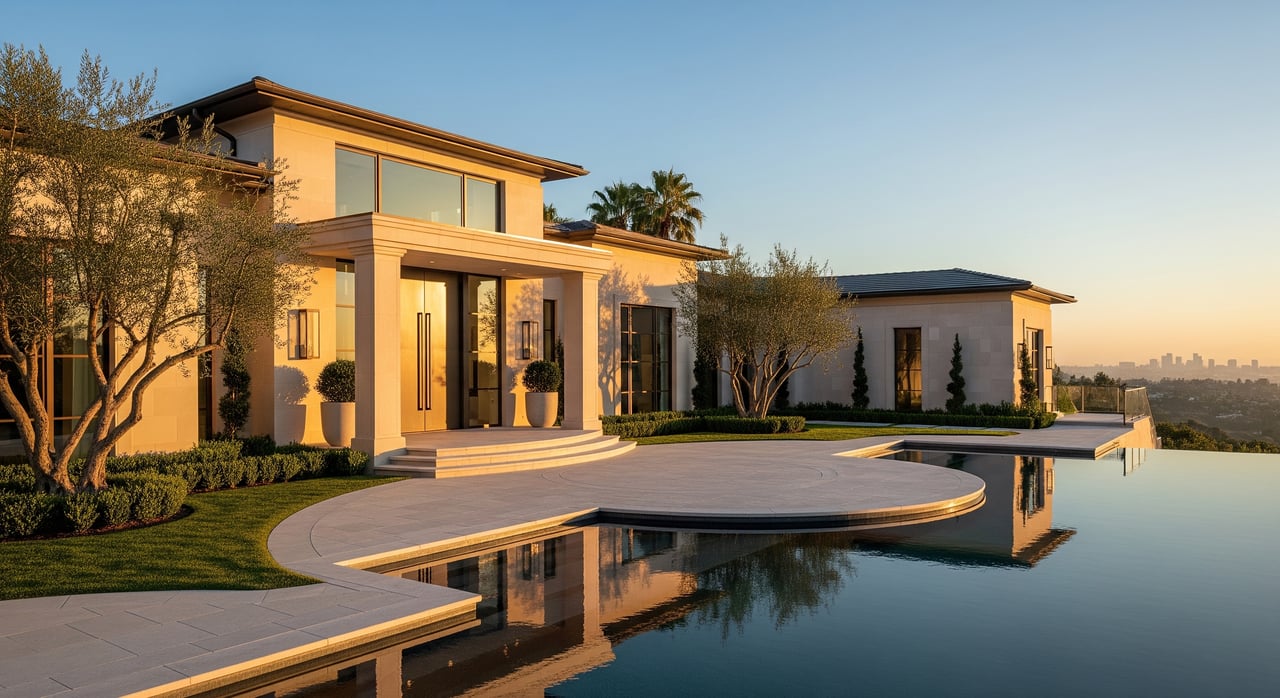
Two homes on the same Beverly Hills street can sell millions apart, and the difference is often the architecture. If you are thinking about buying or selling here, you want to know which styles command premiums, what provenance really does for price, and how renovation choices change your net. This guide breaks down what matters most, from Spanish Revival charm to contemporary amenities, and how those factors compare to nearby Westside options. Let’s dive in.
Why architecture matters in Beverly Hills
Beverly Hills is a luxury market with scarce land, established streets, and a concentration of trophy properties. Style shapes value, but it works alongside lot size, views, privacy, and provenance. Buyers range from local and national ultra-high-net-worth clients to international collectors and design-minded buyers. In this tier, uniqueness and execution count just as much as square footage.
The result is simple. Architecture can pull a price up or down, but the lot and location often set the floor. Exceptional design on a premier site is where you see true premiums.
Style-by-style performance in Beverly Hills
Spanish Revival and Mediterranean
Spanish and Mediterranean homes, many from the 1920s to 1940s, offer stucco walls, red tile roofs, arches, and courtyards. Buyers are often design‑oriented and drawn to authentic period details or classic California aesthetics. Value rises with preserved tile, woodwork, plaster, intact floorplans, and documented provenance with names like Wallace Neff or Paul R. Williams.
Risks include over‑modernizing floorplans and cosmetic “restorations” that miss the mark. Older stucco and masonry can require seismic, roof, or foundation work, which you should budget for. Compared to Santa Monica or parts of Brentwood, preservation‑leaning Spanish in Beverly Hills can compete very well because authenticity is prized.
Midcentury Modern
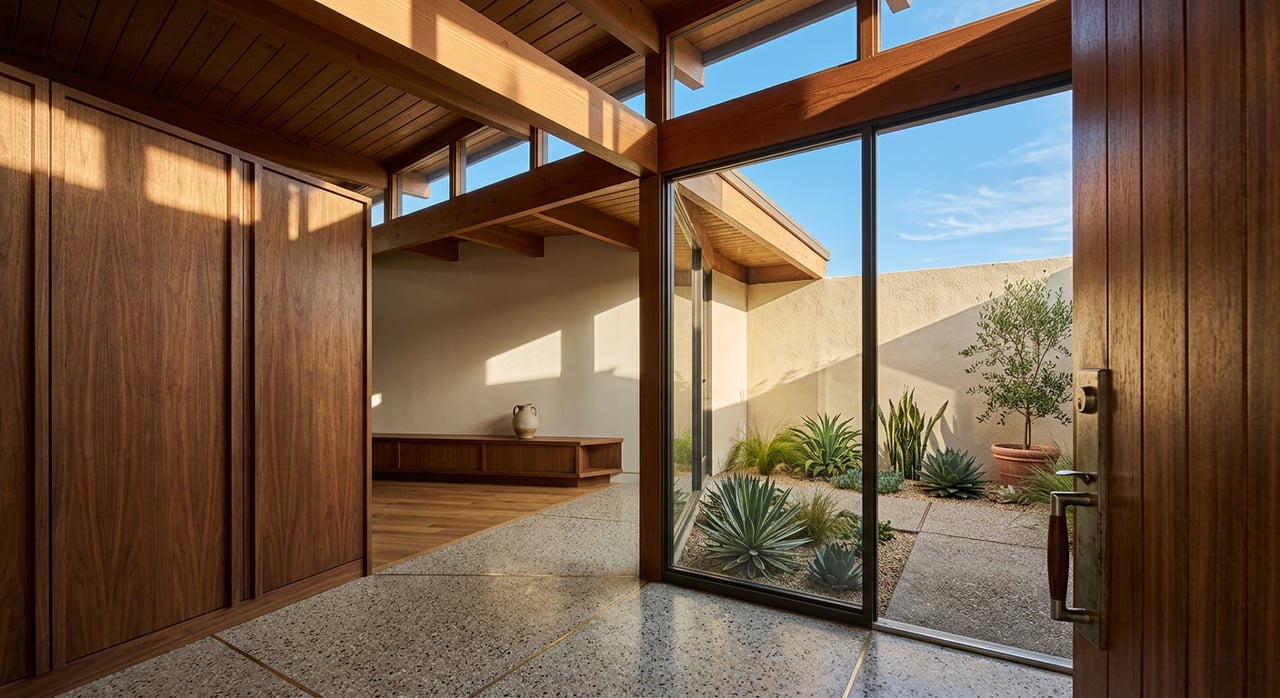
Midcentury homes feature post‑and‑beam structure, large glass walls, and indoor‑outdoor living. Buyers include modern design collectors and creative professionals who value original fabric and notable architects. Well‑preserved examples or high‑quality restorations with documented provenance can attract national and international attention, which supports pricing.
Watch for flat roof and envelope issues, water intrusion, and the cost of integrating modern systems. Removing original details in a flip can reduce appeal to purists. While nearby markets like Silver Lake or West Hollywood are very active for midcentury collectors, Beverly Hills adds premiums when scale, privacy, and pedigree come together.
Contemporary and architect‑designed modern
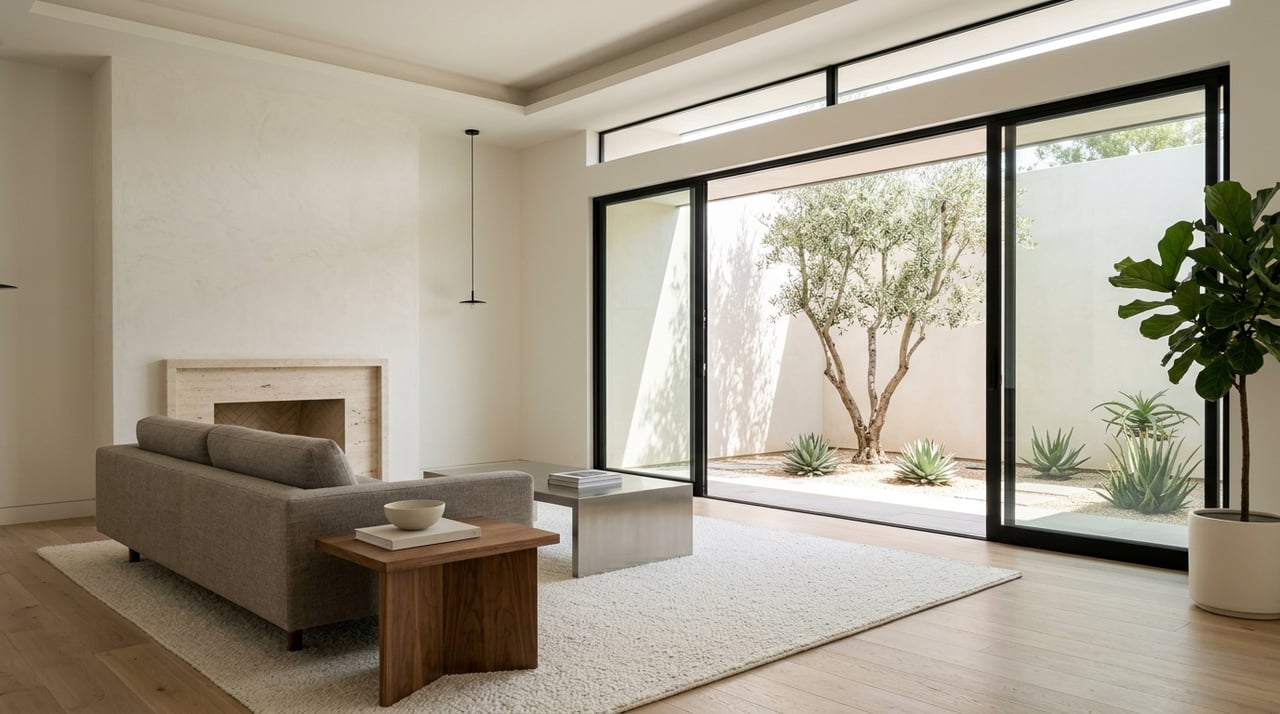
Contemporary estates deliver clean lines, dramatic volumes, smart-home systems, and resort‑style amenities. Many buyers want turnkey living with theaters, gyms, and seamless indoor‑outdoor flow. Newer, amenity‑rich homes built by recognized architects can earn top‑tier pricing when the execution is uncompromised.
Trends can move quickly, which shortens the aesthetic lifecycle for some contemporary builds. On constrained lots, replacement costs and permitting timelines can outweigh the resale upside. Strong results emerge when privacy, views, and top‑tier architecture align, especially relative to Brentwood or Pacific Palisades where new moderns are also in high demand.
Traditional and neo‑traditional
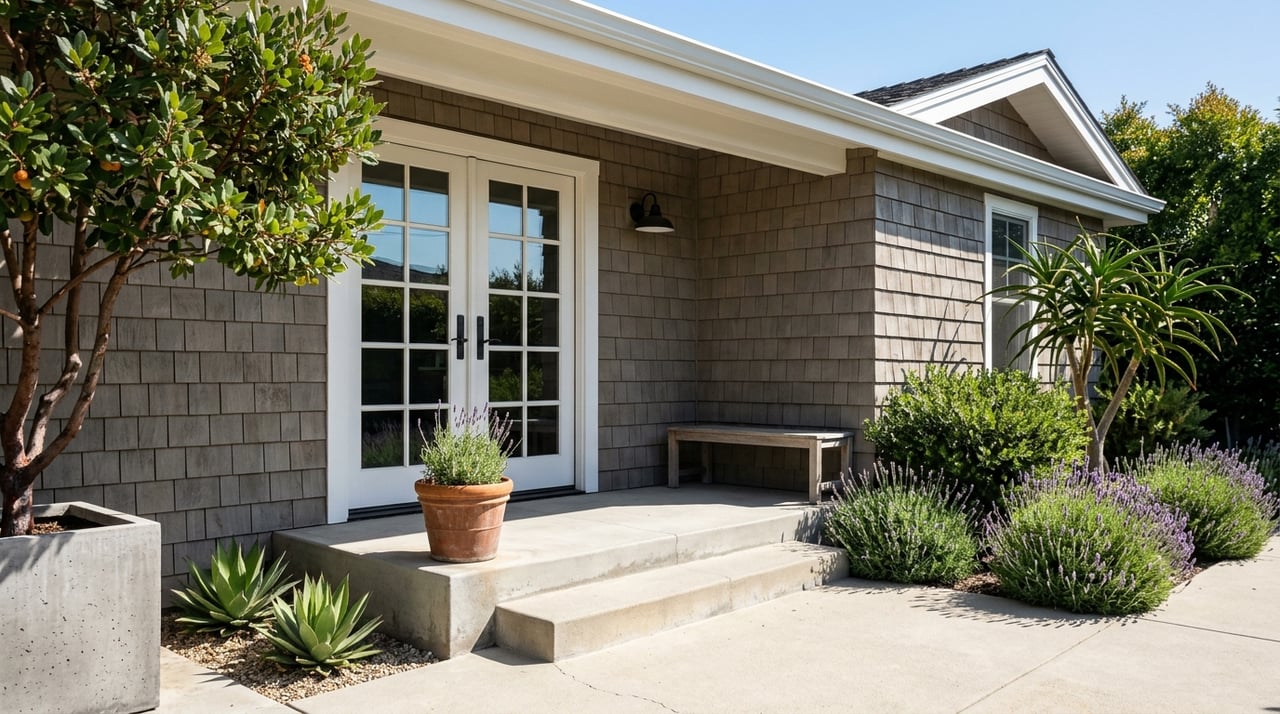
Georgian, Colonial Revival, and Tudor‑influenced homes appeal to buyers seeking classical proportion and formal layouts. Value rises with high‑quality materials, intact detailing, and usable floorplans for daily living. These estates are core to Beverly Hills and also perform across Bel Air and Holmby Hills.
If you aim for open‑plan living, reconfiguration can be costly. Removing defining character without a clear functional gain may not translate to price. Buyers who want classic luxury often compare across several Westside enclaves, so execution and lot quality win.
Provenance and pedigree
In Beverly Hills, provenance can be as powerful as a view. Documented architect attribution and notable prior ownership can widen the buyer pool and support premiums. Have original plans, historical photos, and records on hand when possible. Authenticity sells, and serious buyers will ask to see proof.
Renovation quality and permits
High‑quality, permitted renovations add confidence and value. Appraisers and buyers rely on permit histories, architectural drawings, and contractor credentials when evaluating unique homes. Unpermitted work can shrink your buyer pool, complicate financing, and become a negotiation lever.
Keep detailed records of mechanical updates, structural work, and warranty information. Clear documentation helps support valuation and reduces surprises in escrow.
Lot, views, privacy, and landscape
A modest home on a trophy lot can outperform an impressive design on a constrained site. In Beverly Hills, buyers pay for flat usable land, city or canyon views, privacy, and mature landscape. Outdoor amenities like pools, terraces, and courtyards align with LA living and can move the needle on price.
Systems, materials, and maintenance
Sophisticated buyers look past finishes to the bones. Updated HVAC and electrical, roofing, seismic work, and insulation all expand your buyer pool. In the luxury tier, high‑value finishes such as natural stone or custom millwork are expected. Budget choices on a premium listing can lower perceived value fast.
Beverly Hills vs the Westside
Beverly Hills competes with Bel Air, Holmby Hills, Brentwood, West Hollywood, and Santa Monica. Each has its own strengths and style profile. Bel Air and Holmby Hills offer large lots and privacy where pedigree drives results. Brentwood and the Palisades skew toward newer traditional and modern homes with lifestyle amenities. West Hollywood and Silver Lake are magnets for midcentury and contemporary on boutique lots. Santa Monica favors contemporary and coastal moderns where proximity to amenities often outweighs strict architectural pedigree.
When you price or shop in Beverly Hills, think like a Westside buyer. A preserved Spanish Revival in the Flats may compete with a newly built Brentwood modern. The right choice depends on your lifestyle, appetite for renovation, and how you weigh authenticity versus turnkey convenience.
Buyer checklist: evaluate design and value
- Verify authenticity and provenance. Ask for architect attribution, original plans, and historical documentation.
- Inspect systems and envelope. Look closely at roof, windows, waterproofing, and HVAC, especially on midcentury and older stucco structures.
- Review permits and scope. Confirm that major work is permitted and closed; request drawings and contractor information.
- Read the lot first. Assess privacy, topography, usable outdoor space, and views. These are core to Beverly Hills value.
- Prepare for appraisal nuance. Unique homes may have fewer direct comps, so cash or flexible jumbo financing can help.
- Compare across submarkets. Benchmark against Bel Air, Brentwood, and Santa Monica to understand tradeoffs on style and lifestyle.
Seller game plan: protect and elevate value
- Preserve defining features. Keep original tile, woodwork, and plaster in Spanish; retain post‑and‑beam and built‑ins in midcentury.
- Modernize with intention. If you update, align the aesthetic and quality across the whole home; avoid piecemeal changes.
- Permit everything. Document mechanical, structural, and cosmetic work to support buyer confidence and appraisals.
- Stage to the architecture. Minimalist staging flatters modern; curated period‑correct touches suit Spanish Revival.
- Lead with provenance. Showcase architect names, historical photos, and ownership history when verified.
- Price with a Westside lens. Your Beverly Hills listing competes with top options nearby; adjust strategy based on lot, style, and amenity mix.
- Market like a cultural asset. High‑quality photography, cinematic video, and targeted distribution reach design‑minded buyers who pay for uniqueness.
Renovate or buy new
If you love a period style, buying an authentic home and renovating with permits can yield long‑term value, especially when the lot is exceptional. If you want instant lifestyle with minimal maintenance, a newer contemporary may be the better fit. The right move depends on your timeline, tolerance for construction, and whether provenance or turnkey amenities matter more.
Ready to weigh your options in Beverly Hills? If you want a tasteful, data‑informed strategy and editorial‑level presentation, connect with Nicole Reber. Let’s tell your home’s story and position it for the right buyer.
FAQs
Does a famous architect’s name add measurable value in Beverly Hills?
- Yes, documented attribution to recognized architects and notable ownership can expand the buyer pool and support premiums beyond the home’s physical attributes.
Should I keep original Spanish Revival details or modernize for resale?
- Preserve defining elements like tile, woodwork, plaster, and courtyards, then modernize systems and kitchens/baths with materials and forms that complement the period.
How do appraisers value unique architect homes in Beverly Hills?
- They rely on paired sales and specialist comps; robust permit histories, renovation records, and provenance documentation help support higher valuations.
What permits and records should a Beverly Hills buyer request before closing?
- Ask for building permits, closed final inspections, architectural drawings, contractor licenses, warranties, and a summary of mechanical and structural upgrades.
Are there preservation or design review constraints in Beverly Hills renovations?
- Historic designation and local preservation processes can guide or limit changes, which can protect character but may affect demolition and remodel timelines.
Is it better to buy an original and renovate or choose a new contemporary build?
- Choose based on lifestyle and risk tolerance: originals reward authenticity and provenance, while new builds offer turnkey amenities and lower near‑term maintenance.