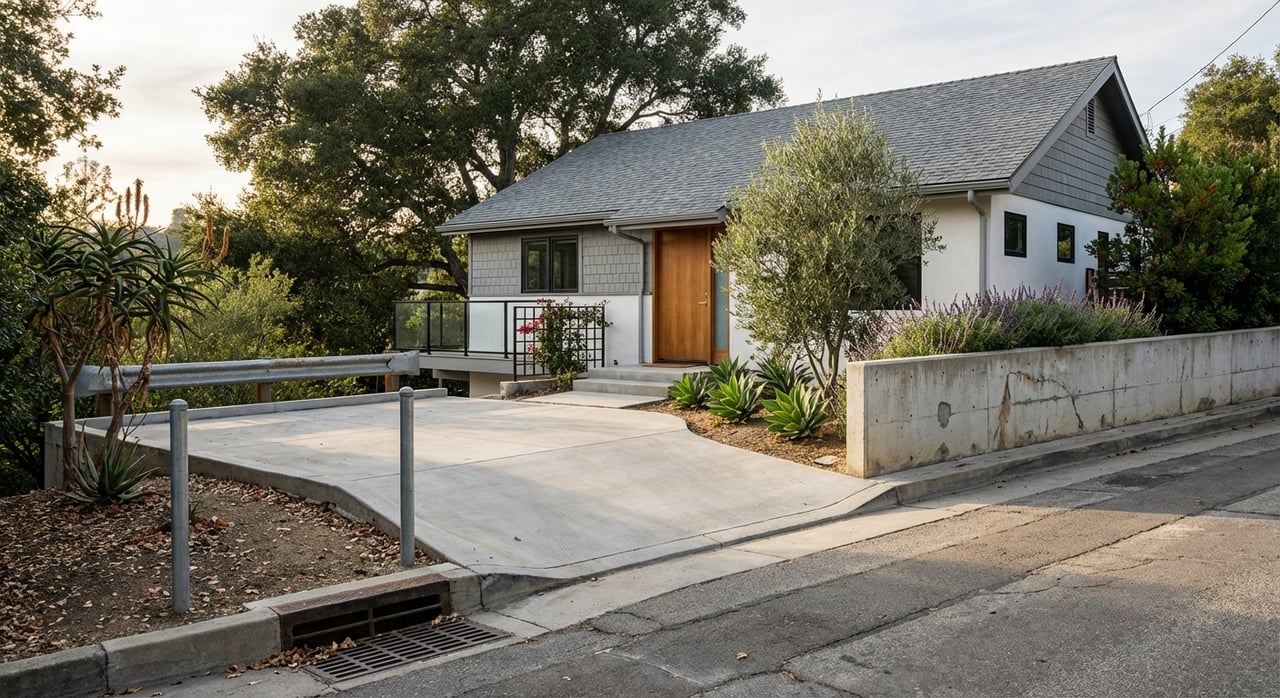
Thinking about selling or refinancing your design-forward Los Angeles home this spring? You are not alone. The Q1 to Q2 window often brings more buyers, more energy, and more chances to position a unique property for a standout result. In this guide, you will learn how a precise valuation works for architecturally significant homes, what factors truly move the number, and how to prepare with confidence. Let’s dive in.
Why Q1 to Q2 timing matters
Spring is usually the most active selling season in Los Angeles. Buyer traffic rises, inventory often grows, and multiple-offer situations become more common than in winter. If you plan to catch this wave, begin your valuation, preparation, and marketing decisions several weeks in advance.
Mortgage rates shape buyer demand. Since 2022, higher rates have narrowed buyer pools and pushed appraisals to be more conservative, while easing rates tend to bring buyers back quickly to sought-after pockets. Micro-markets across the Westside, Hills, Eastside, Pasadena, and the Valley move at different speeds, so neighborhood context matters.
Design-forward homes have a unique audience. Local owner-occupiers, collectors, and out-of-market buyers look for architectural quality, provenance, and presentation. Appraisers prefer recent sales of true peers, but if few exist, they may expand geography, rely on adjustments, or use a cost-based approach. Your valuation should anticipate this reality and provide clear documentation.
The design-smart CMA process
A great CMA for a design-forward home is transparent, visual, and narrative-driven. Here is the step-by-step process used to produce a precise, defensible value.
Intake and confidentiality
- Clarify your goals, timeline, and whether you prefer an off-market or quiet valuation.
- Discuss sensitivity around architect attribution and provenance before anything is public.
- Offer a confidentiality agreement if privacy is a priority.
On-site inspection and photo review
- Inspect structure, systems, materials, finishes, circulation, and the home’s relationship to the lot and views.
- Photograph each room, exterior elevations, and signature details such as custom joinery or original elements.
- Note permitted and unpermitted work and collect paperwork when available.
Comp selection for design homes
- Start with closed sales that share style, era, and provenance in the immediate micro-market.
- When ideal peers are scarce, expand the radius with a clear explanation of topography, view, and street factors.
- Use 3 to 6 closed comps plus relevant active and pending listings to anchor market context. Include high-quality renovated homes when they best match finish level.
Adjustments and reconciliation
- Adjust for size, lot and usable outdoor space, bed/bath count, parking, pool or ADU, view and privacy, systems and energy upgrades, and overall finish quality.
- Make explicit adjustments for architectural pedigree and integrity. Verified works by notable architects and intact original elements can command premiums when supported by comparable examples or documented scarcity.
- Reconcile to a value range with low, most-likely, and high outcomes, plus a recommended list price or an appraisal expectation for refinance.
Presentation and pricing strategy
- Estimate the likely impact of improvements, from cosmetic updates to permit corrections or staging.
- Recommend a marketing format that fits the home: architect-forward brochures, dedicated property website, twilight and aerial photography, and immersive virtual tours.
- Outline showing protocols for privacy, including appointment-only access and vetted buyers when appropriate.
Confidential report and follow-up
- Deliver a CMA packet with documented comps and line-item adjustments, market trends, a staging and repair checklist, and appraisal considerations.
- Host a Q&A session, refine assumptions with any new documentation, and discuss off-market pathways if you prefer discretion.
What affects value most
The best pricing decisions come from a clear look at condition, significance, and presentation. Here is what to weigh first.
Condition and systems
- Structural integrity and system health matter. Seismic retrofit work, modern electrical and HVAC, and well-maintained roofs reduce risk and can support value.
- Sympathetic renovations that respect original design tend to perform better than heavy-handed remodels that erase intent.
- Permitted work gives appraisers and lenders confidence. Unpermitted additions often lead to deductions or repair requests.
Architectural significance and provenance
- Named architects, documented provenance, and publication history can draw a focused buyer pool and premium attention.
- Intact original elements, authentic materials, and preserved floor plans increase perceived rarity and collectibility.
- Historic designation adds prestige but may introduce restoration requirements. Your CMA should document both benefits and constraints.
Presentation and marketing assets
- High-quality architectural photography, floor plans, and virtual tours increase engagement and showing volume.
- Staging that aligns with the design language helps buyers understand scale and use. Neutral, edited styling lets the architecture lead.
- Landscape, approach, and outdoor rooms matter in Los Angeles. Clean lines, lighting, and clear circulation elevate first impressions.
Typical valuation challenges
- Few true comps can increase subjectivity. A precise CMA explains adjustments and, when needed, references cost-based reasoning.
- Buyer education takes time. Overpricing can prolong days on market, while underpricing can leave money on the table. Your strategy should balance both risks.
Your 4 to 8 week prep checklist
Gather documents before the on-site visit whenever possible. This speeds analysis and improves appraisal outcomes.
- Title or preliminary title report and property tax records
- HOA documents if applicable
- Permits and final inspections for renovations or additions
- As-built plans, architect drawings, or original plans
- Maintenance records for HVAC, roof, pool, termite or structural work
- Recent appraisals or condition reports, plus lender documents for refinances
- Utility bills and any energy-efficiency documentation, including solar ownership or lease
- Provenance materials for architect homes, such as original correspondence or press mentions
Plan the property prep in phases to hit a spring launch with momentum.
- Minor cosmetic repairs, paint, and decluttering: 1 to 3 weeks
- Staging and professional cleaning: 1 to 2 weeks
- Landscape refresh and evening lighting for photography: 1 week
- Permit verification and corrections as needed: timing varies
- Photographer and virtual tour booking: schedule 1 to 2 weeks prior to listing or CMA presentation
Sale vs refinance differences
A lender orders the appraisal for both buyer-financed sales and most refinances. A CMA supports your strategy but is not a lender appraisal. For refinance, ask your lender early about documentation preferences and whether they work with appraisers experienced in unique or architect-designed properties.
Prepare the property for the appraiser the same way you would for buyers. Cleanliness, access, clear labeling of systems, and a well-organized document packet can help the appraiser understand improvements and provenance. If recent work was permitted, make sure finals are easy to verify.
Privacy and off-market options
If you prefer a quieter path, request a confidential valuation and a written CMA under a privacy agreement. You can explore pocket or limited showings to vetted buyers with NDAs, keeping activity measured while you decide on timing. Any quiet strategy should follow current MLS and disclosure rules, which your agent can review with you.
What you receive
Your confidential CMA packet includes:
- A property summary with photo documentation of key design features
- A comp set of 3 to 6 sales with clear, line-by-line adjustments
- Market context using active and pending listings
- A value range and recommended list or appraisal expectation
- A prioritized staging and repair checklist with estimated impact ranges
- Appraisal notes that anticipate lender questions for unique homes
Ready to request your valuation
You deserve a valuation that respects your home’s architecture and the realities of the Los Angeles market. If you plan to sell or refinance in Q1 to Q2, now is the time to prepare documents, schedule an inspection, and align on strategy. For a precise, design-smart CMA and a confidential conversation, connect with Nicole Reber. Let’s tell your home’s story.
FAQs
How long does a precise CMA take in Los Angeles?
- Typical turnaround is 3 to 7 business days after the on-site inspection when documentation is complete, with more time needed for complex provenance or historic permit research.
Do I need an appraisal if I have a CMA?
- A CMA guides pricing and marketing, while a lender orders an appraisal for buyer-financed sales and most refinances; both can complement each other.
How does architectural significance affect price?
- When provenance and intact design are documented, the CMA includes premium adjustments supported by comparable architect sales or scarcity in the micro-market.
Should I complete repairs before listing or refinance?
- Prioritize safety items, permits for major work, and visual fixes that shape first impressions; cosmetic updates and staging often bring strong short-term returns.
Can I keep my Los Angeles sale private?
- Yes, you can request a confidential valuation and explore pocket or limited showings with NDAs, understanding that privacy can influence buyer pools and pricing.
What if there are few comparable architect homes?
- The CMA explains adjustments, may expand the geographic search, and can reference cost-based reasoning to support a defensible value range.